As part of the #HerEconomy series, I’m sharing practical lessons from my own experience in e-commerce, including the mistakes that cost time, money, and patience.
The goal is simple: help you avoid the same headaches.
If you’re sourcing products from Alibaba, it can be an incredibly powerful platform for building a brand or launching a product. But like any marketplace with thousands of suppliers, you need a smart process to separate reliable manufacturers from the risky ones.
Here are Six practical steps to help you avoid scams, poor-quality products, and expensive learning curves.
1. Look for Verified and Trademark-Safe Suppliers
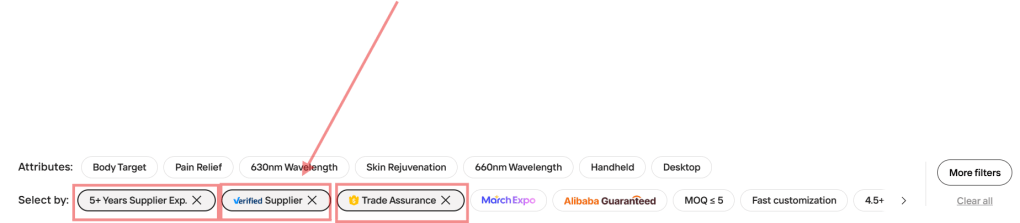
Start by filtering for suppliers that are Verified and participate in Trade Assurance on Alibaba. These verification systems indicate that the supplier’s business registration, factory details, and basic credentials have been checked.
It doesn’t guarantee perfection — but it significantly reduces risk.
Also, be cautious when sourcing branded items. If a supplier claims to manufacture well-known brands without documentation, that’s usually a red flag. Legitimate manufacturers are transparent about what they produce and for whom.
2. Experience Matters — Check Supplier History
A supplier’s track record tells you a lot.
Look for manufacturers with at least 5 years on the platform. Personally, I prefer working with suppliers that have 8–10+ years of experience, because longevity usually signals stability, operational systems, and repeat clients.
Also review:
- Total number of completed orders
- Transaction history
- Customer reviews and ratings
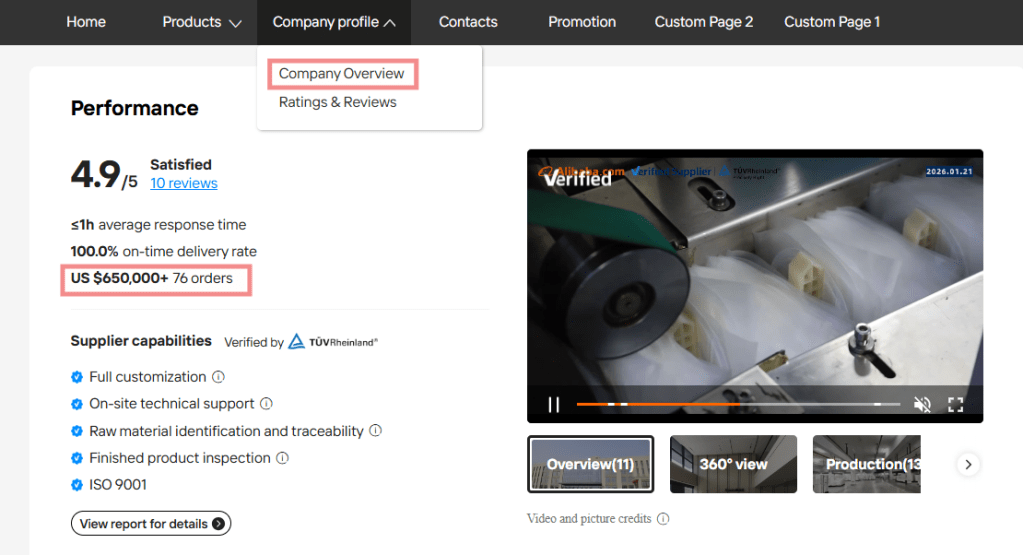
You’ll find the above three on the suppliers website, ussually under “Company Overview”, If hundreds of buyers have successfully ordered before you, the odds are in your favor.
3. Always Order Samples First
Never jump straight into a bulk order. Even if the listing photos look perfect.
A sample order allows you to verify:
- Product quality
- Materials and durability
- Packaging
- Branding options
For most products, sample costs are reasonable. In many cases, samples fall under $100 USD, unless you’re ordering multiple variants or highly customized products.
Think of samples as insurance — a small investment that can save thousands later.
4. Keep Payments Inside Alibaba
This is one of the most important rules.
For your first few transactions with any supplier, never send payment outside of Alibaba’s platform. Using Trade Assurance protects your payment if the product quality or shipment doesn’t match what was agreed upon.
If a supplier insists on moving the payment to another platform immediately, that’s usually your cue to politely walk away.
Trust is built over time — not in the first conversation.
5. Negotiate — and Use the 70/30 Payment Structure
Negotiation is expected in global manufacturing. Suppliers price with negotiation in mind.
A common and widely accepted structure is:
- 30% deposit upfront to begin production
- 70% balance after production is completed and before shipment
Most experienced suppliers are already familiar with this system.
And yes — negotiate pricing, packaging, and shipping. Respectfully, of course.
6. Work with Active Suppliers and Compare Options
Always choose suppliers who respond quickly, I avoid anyone whose reply takes more than 24 hours (unless its a holiday in the respective country).
Don’t put all your eggs in one basket: reach out to 3–4 suppliers at the same time and place sample orders from at least 2–3 of them. This lets you compare product quality, communication, reliability, and shipping speed.
Once you’ve evaluated the samples and the responsiveness of each supplier, stick to the one that performs best for your bulk orders. This method saves time, money, and stress, and ensures you’re working with a supplier you can trust long-term.
Bonus Tip: Consider DDP Shipping
If you’re importing into North America, DDP (Delivered Duty Paid) shipping is your best friend. The supplier or freight partner handles customs, duties, and taxes before your product arrives, no surprises, no extra hassle.
 Your Qareen
Leave a comment